There are many areas where a mechanic or car owner can run into safety problems while repairing a vehicle. Even tasks that seem simple should be approached with safety in mind. By following a few simple safety tips, you should be able to prevent injuries and accomplish the job at hand. Jacks and jack stands: Before attempting to raise a vehicle off the ground, check the quality of the jack. If it is bent or broken in any way, do not use it. Always use a jack on solid level ground. One or more jack stands should be used to support the vehicle while it is up. A jack is designed to lift the auto but not meant to provide continual support. Use caution when working with rolling jacks. Masonry blocks are not jack stands, they can crumble under the weight of a vehicle. Fan blades and belts: It is sometimes necessary to work on an auto while the engine is running. Use caution while doing so. Avoid wearing any jewelry or clothing items that could become tangled in fans or belts. If you have long hair keep it pulled back out of the way. Keep the fan shroud in place and keep your hands away from it. Electrical systems: If you are jump starting a vehicle be sure that the cables are connected correctly. Use a solid ground and avoid sparks. Newer batteries are sealed and considered maintenance free. Remember that the battery contains acid and do not puncture it. If battery acid gets on your hands or body, wash it off immediately. Spark plug wires and coils can give a nasty shock, use caution when working around these items while the vehicle is running. When working on any electrical systems on an auto it is best to disconnect the battery, or remove main fuses first, to prevent short circuits. On hybrid electric vehicles, the battery pack is high voltage. Do not work on these unless you really know what you are doing. Heat: Allow the auto to cool off before beginning to work on it. Engines and exhaust systems can cause serious burns. Changing fluids while they are hot should also be avoided. Radiators also present similar dangers. Be especially careful when removing a radiator cap if the vehicle is still warm. Additional safety tips: When working under the hood make sure that the hood support is strong and fully latched. The same applies if you happen to be working in the trunk of a vehicle. Check that the auto is fully engaged in Park so that it will not roll. If the vehicle has a standard transmission set the parking brake. Do not siphon gas with your mouth. While many mechanics will do this it is not a safe practice. Do not smoke or allow sparks or any type around fuel lines or batteries. Use caution when working around components of an air bag system if the vehicle is equipped with one. Finally there are a few safety tips that apply to auto repair as well as many other industrial or DIY jobs. Wearing safety glasses is always a good idea. A good pair of work gloves can go along way in preventing cuts and knuckle scrapes. While steel-toed work boots are not necessary for general auto repairs bare feet or sandals are not an option. References: Former NIASE certified mechanic http://www.aa1car.com/library/ floor_jacks.htm http://www.aa1car.com/library/ battery_safety.htm Category:Home › Other • Pomegranates: A newly discovered superfood • Where did the joke why did the chicken cross the road come from and why is it funny? • Can mothers diagnosed with bipolar disorder make good parents? • Spiritual evolution of human consciousness • Tips for getting a college basketball scholarship • Living with Pseudotumor cerebri (PTC) • Caring for the caregiver • Technologys impact on society
BootHunter
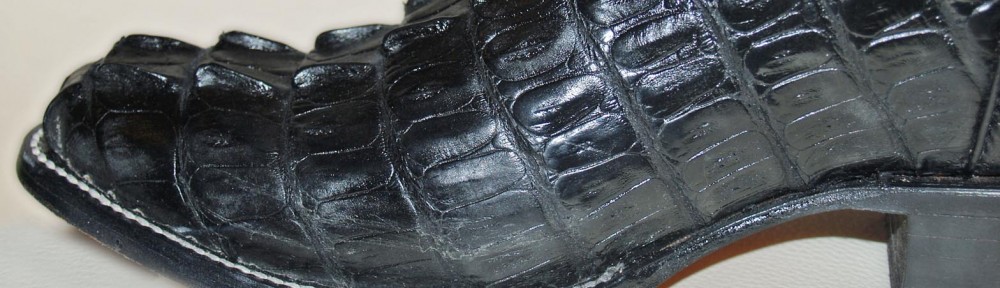
Высококачественные ковбойские сапоги в Киеве из США. Куртки бомберы летные кожаные Avirex (Cockpit). Туфли и мокасины из кожи крокодила и питона. Ремни из кожи крокодила, питона, страуса. Джинсы.Тел. (066) 579-34-91. infowesternstore@gmail.com